Compare Local Contractors for Handicap Ramp Installation Services
Compare local contractors for handicap ramp installation to define scope, verify experience, and set clear expectations for a successful project.
Handicap ramp installation projects typically involve designing and constructing accessible pathways that accommodate individuals with mobility challenges. This work can include assessing the existing property layout, selecting appropriate ramp materials, and ensuring the structure meets safety and usability standards. Contractors may also handle related tasks such as modifying landings, installing handrails, and integrating the ramp seamlessly with existing entryways. Defining the scope of the project helps property owners understand what work is included, whether it’s a straightforward ramp addition or a more comprehensive accessibility upgrade, ensuring all necessary features are addressed from the outset.
Clearly establishing the scope of work is essential when working with contractors for handicap ramp installation. It helps prevent misunderstandings and sets accurate expectations for what the project will cover. Property owners should specify details such as the desired length and slope of the ramp, any required land modifications, and additional features like handrails or non-slip surfaces. Documenting these details in writing creates a clear reference point for both parties, reducing the risk of miscommunication and ensuring that the final installation aligns with the property owner’s needs and accessibility requirements.
When comparing local contractors for handicap ramp installation, it’s important to consider experience, reputation, and the range of services offered. Property owners can review online profiles, ask for references, and verify previous work to gauge a contractor’s familiarity with similar projects. Additionally, understanding how each service provider approaches scope definition and project planning can help identify those who prioritize clear communication and detailed planning. By evaluating these factors, property owners can select a trusted contractor capable of delivering a safe, functional, and compliant accessibility solution tailored to the property’s specific needs.
Compare local contractors by outlining priorities, verifying experience, and clearly defining project scope and expectations in writing.
- Compare Local Contractors - review credentials and experience to find service providers suited for handicap ramp installation.
- Define Project Scope - clearly outline the specific requirements and features needed for the ramp.
- Verify Experience - ensure contractors have relevant experience with similar accessibility projects.
- Document Expectations - get all project details, scope, and responsibilities in writing before work begins.
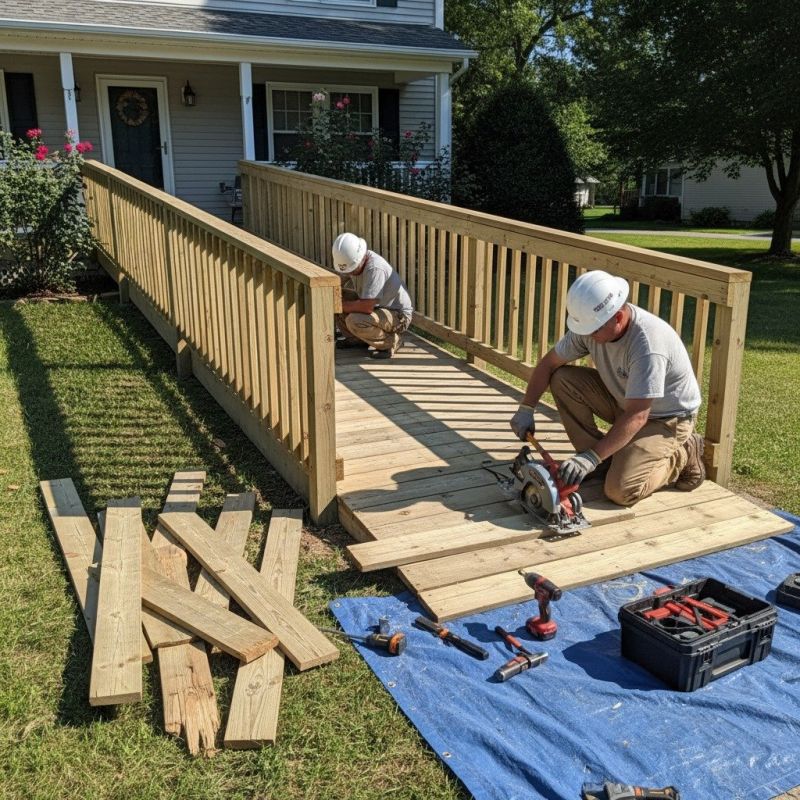
Clearly describe your handicap ramp project to compare local contractors, verify their experience, and set expectations in writing.
- Verify that the contractor understands the specific requirements for handicap ramp accessibility and design. - Ensure the scope of work is clearly outlined in writing to prevent misunderstandings.
- Check that the contractor has experience with handicap ramp installation and complies with relevant accessibility standards. - Confirm that the contractor can provide references or examples of similar projects.
- Discuss and document the materials and construction methods to be used for durability and safety. - Make sure all project details, including dimensions and features, are agreed upon in writing.
- Review the contractor’s process for obtaining permits and adhering to local building codes. - Clarify responsibilities related to inspections and approvals before work begins.
- Compare multiple service providers to assess their expertise, communication, and clarity in scope and expectations. - Avoid rushing into decisions by thoroughly evaluating each contractor’s qualifications and approach.
Compare local contractors, clarify project scope, verify experience, and set clear expectations in writing.
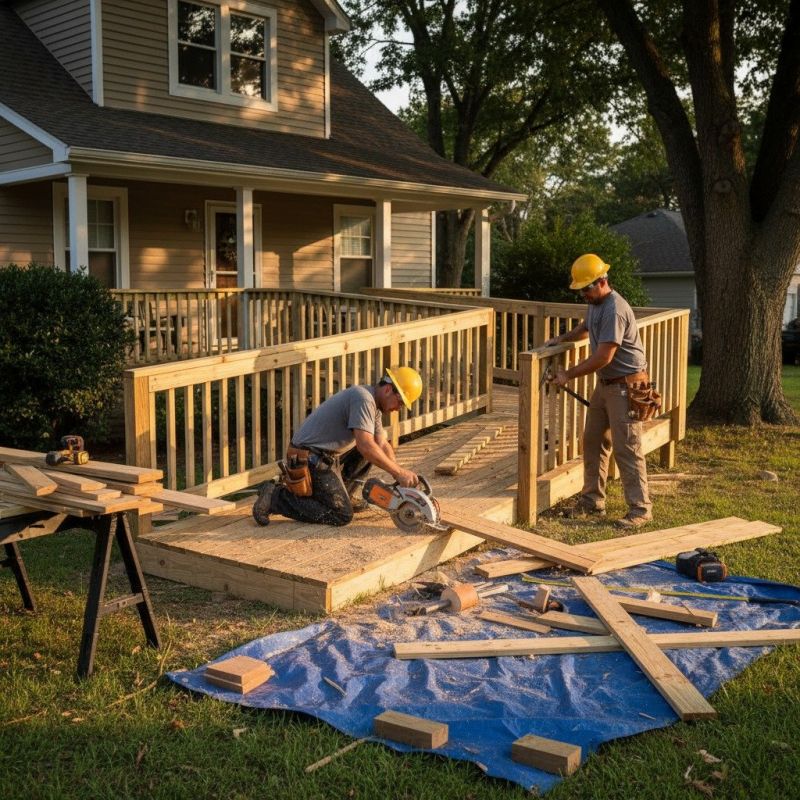
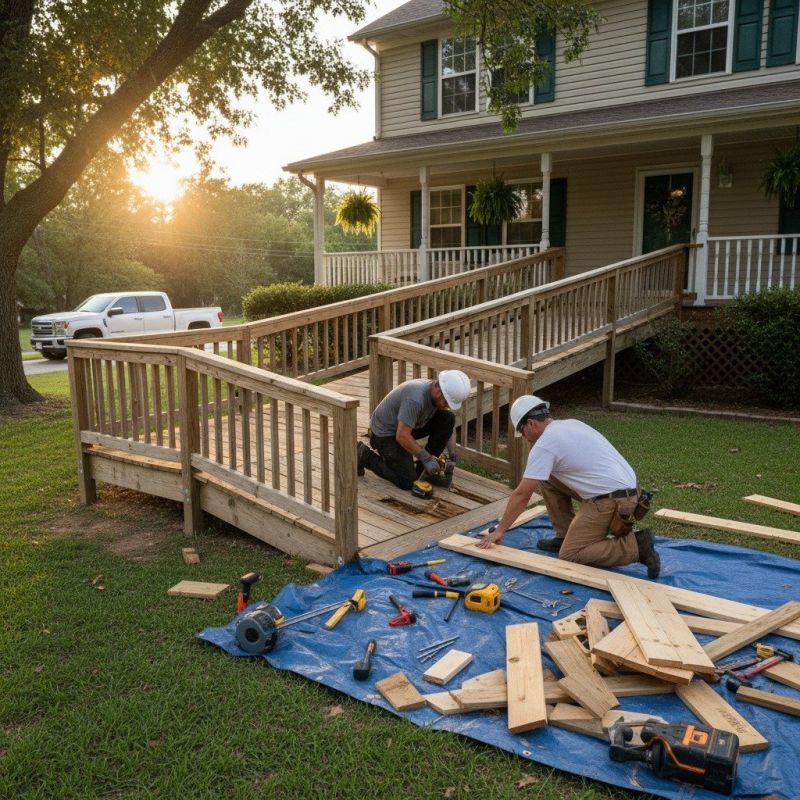

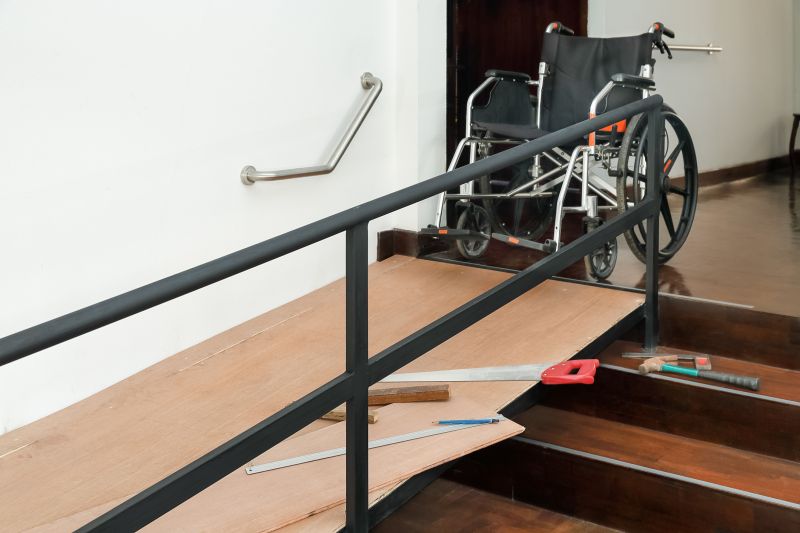
Use clear, consistent comparison criteria to evaluate scope, experience, and written expectations across local contractors.
- Scope Definition - Clearly outline the specific requirements and features of the handicap ramp to be installed.
- Experience Verification - Confirm that local contractors have relevant experience with handicap ramp installation projects.
- Material Selection - Specify the types of materials to be used and ensure they meet accessibility standards.
- Installation Standards - Define the installation process and quality expectations to ensure compliance with applicable guidelines.
- Written Agreement - Establish a detailed scope of work and expectations in a written contract with the chosen service provider.
When comparing contractors for handicap ramp installation, it is important to evaluate their experience with similar projects. Homeowners should inquire about the types of ramps they have previously installed and whether they have worked with homes or facilities comparable to their own. Contractors with a history of successful installations in comparable settings are more likely to understand the specific needs and challenges involved, ensuring the project is handled proficiently and efficiently.
A clear, written scope of work is essential for setting mutual expectations and avoiding misunderstandings. Homeowners should seek contractors who can provide a detailed description of the work to be performed, including materials, dimensions, and any preparatory or finishing tasks. Having a comprehensive scope in writing helps ensure that all parties agree on what will be delivered, making it easier to assess the completeness and thoroughness of the proposed plan.
Verification basics involve confirming that a contractor’s background and experience align with the project’s requirements. Homeowners can ask for references or examples of past work, and verify that the contractor has a history of completing similar handicap ramp installations successfully. Additionally, understanding the contractor’s approach to site assessment and preparation can provide insight into their professionalism and attention to detail, which are critical for a safe and functional ramp.
Evaluating options without focusing on prices involves considering the quality of the proposed work, the clarity of communication, and the professionalism demonstrated during interactions. Homeowners should compare how each contractor explains their approach, the level of detail in their scope, and their willingness to answer questions. By focusing on experience, scope clarity, and verification, homeowners can make informed decisions that lead to selecting service providers capable of delivering reliable, well-executed handicap ramp installations.
Ask contractors to provide written scope details to ensure clear understanding and consistent project expectations.
- Experience and Credentials - What experience do local contractors have with handicap ramp installations in similar settings?
- Scope of Work - How do contractors define and document the specific scope of the ramp project to ensure clarity?
- Material and Design Options - What materials and design features do local service providers recommend for durability and safety?
- Project Expectations - How will contractors communicate the scope, materials, and process to ensure mutual understanding?
- Comparison Criteria - What factors should be used to compare and evaluate different contractors’ approaches and expertise?
How can I compare contractors for handicap ramp installation? Review credentials, experience, and customer feedback to evaluate the suitability of different service providers in your area.
What should I consider when defining the scope of my handicap ramp project? Clearly outline the desired ramp dimensions, location, and any accessibility features to ensure contractors understand your needs.
How do I verify a contractor's experience with handicap ramp installations? Ask for examples of previous work, references, or a portfolio to assess their familiarity with similar projects.
Why is it important to get the scope and expectations in writing? Having documented details helps prevent misunderstandings and provides a clear reference for the work to be performed.
What questions should I ask contractors during the selection process? Inquire about their experience, approach to installation, adherence to local codes, and how they handle project details and communication.
How can I ensure the contractor understands my specific accessibility needs? Clearly communicate your requirements and ask how they plan to address them within the project scope.
This page provided an overview of how to find qualified contractors for handicap ramp installation, including tips on defining the scope of work, verifying experience, and setting clear expectations in writing. Visitors learned the importance of comparing multiple service providers to identify the best match for their specific needs. By understanding these key points, individuals can approach the process with greater confidence and clarity.
To explore options in the area, use the quote form to connect with local contractors who can handle handicap ramp installation. Comparing different service providers allows for an informed choice based on experience, scope, and communication. Taking this step can help ensure that the chosen contractor aligns with the project requirements and expectations.